Surviving A Journey Through Hell And Back
From failed systems to rediscovery and meaning. Why every person's journey matters and their strength is real.


Content warning: This post discusses suicide, trauma, and grief. Please prioritise your wellbeing while reading. I do not use names or discuss the event in detail for the privacy of those impacted. This is my story, lived through my own experiences and beliefs.
Before We Begin
If you're going to survive the unsurvivable, you need a reason. Not a pretty one society approves of—a real one that gets you out of bed when everything feels pointless.
Take a moment—whatever it is, however raw or refined—write it down and hold onto it like your life depends on it. Because it does. Your 'why' will become everything.
Mine began with something achingly simple—wanting to feel my Mam's love again. Then it evolved into something essential: ensuring everyone has access to genuine wellbeing support by building an ecosystem that reconnects the world to wellbeing.
Background
Before the morning that changed everything, I had what most would consider a successful life. I'd played professional basketball, completed university with a degree and master's, and built a successful career as a Project Manager. I'd relocated to Australia from the UK five years prior and was doing what most people do—navigating life as it unfolded, enjoying social connections, travel, and in the final year, building a relationship with my partner.
I understood discipline, resilience, and what it took to achieve goals—qualities that would become essential in ways I never imagined. But nothing in my previous experience of overcoming challenges had prepared me for what was coming.
The Day Everything Changed
December 2nd, 2019. An ordinary Melbourne morning that became the day my life fractured completely.
I walked into our bedroom and found my partner in a way no person should ever have to witness. She was gone, and in that instant, everything I knew about life, love, and safety shattered into a million pieces.
This is my story. Not just of loss, but of what comes after—the parts no one talks about, the isolation that suffocates, and the brutal reality of trying to rebuild when the world around you feels incomprehensible.
When Everything Shatters
For six months after that December morning, I couldn't close my eyes. I couldn't be left alone. I felt like a stranger inhabiting my own body, walking around with a heart that had been torn open and left bleeding for everyone to see, yet somehow invisible to most. I was moving through life with a nervous system that had been shattered at the cellular level—derailed so completely that it wouldn't find its way back to balance for years to come.
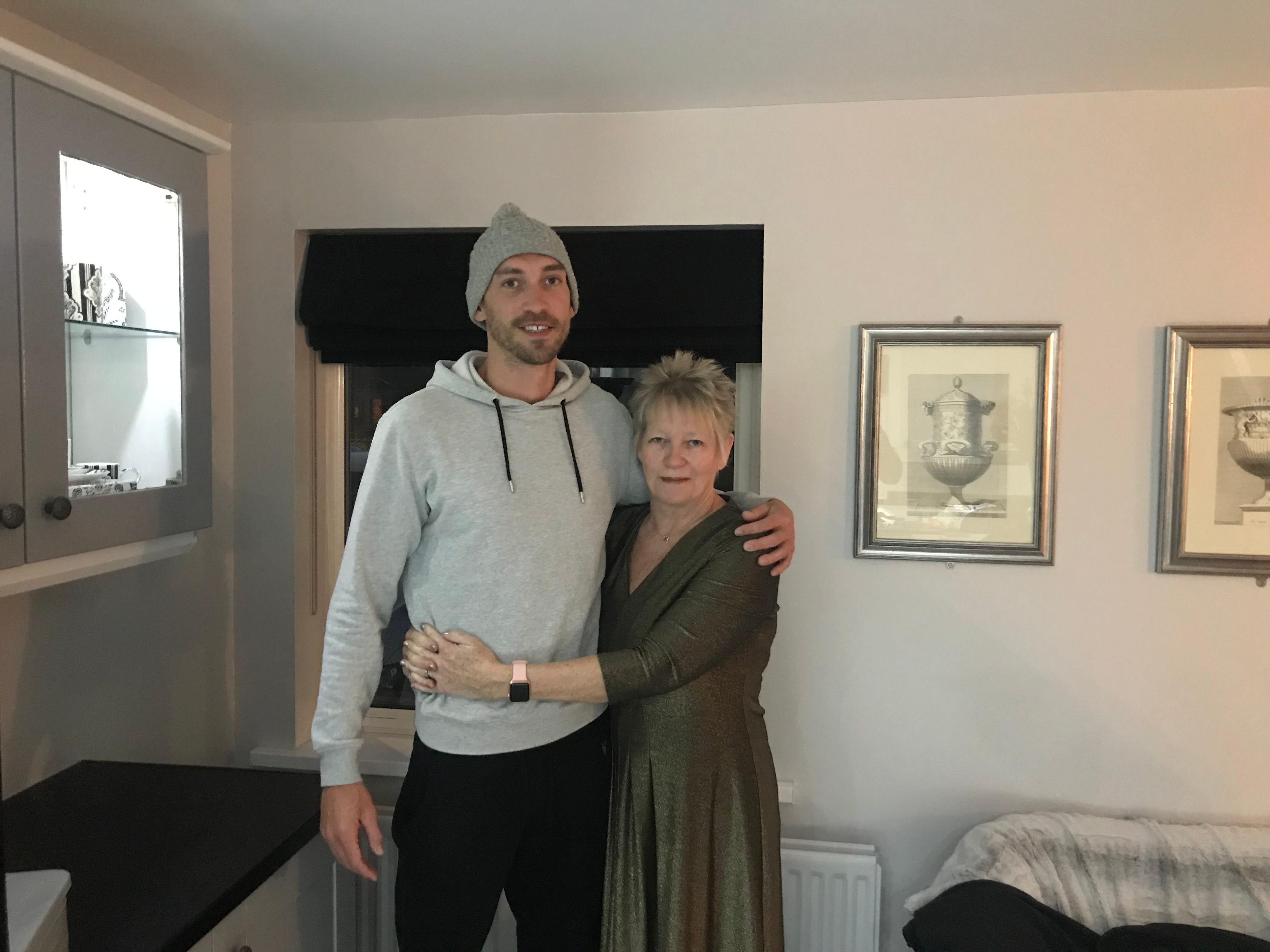
I was separated from my family by a twenty-four hour flight. It took three weeks to get home—three weeks of existing in a nightmare that felt both surreal and devastatingly real.. When I finally arrived, no one knew what to do with me or how to provide support. My mind and heart were racing relentlessly. I was experiencing out of body moments because the intensity of what I was carrying was just too much. I gave it a couple of months back in the UK, but knew I'd have to return to Melbourne to face the reality and navigate the aftermath.
I packed my bags, boarded a plane, and left. I'd planned to visit for one week, then pack up and leave for an undetermined time to focus on healing. But life had other plans. When I finally returned to Melbourne after being with my family, COVID hit two days later. The world shut down, and I found myself trapped in a city that now held only trauma, with no place to live—moving from one friend's house to the next initially, before an Australian family gave me shelter and love. Everyone was now living with upheaval for almost two years, and my mental health was reaching crisis point.
Two Paths Forward
On the first day of my journey, I realised I stood at a crossroads with two distinct paths ahead of me. The choice would define not just my recovery, but the rest of my life. I remember saying to a friend who collected me from the apartment on the day of my loss:
"This will not define me, it will make me. I will use it to change the world."
Path one: Succumb to victimhood. Let trauma consume me completely. Sink into addiction, self-pity, blame, and resentment. Use what happened as an excuse for everything that went wrong afterward. Remain stuck in the identity of someone irreparably broken by circumstances beyond their control.
Path two: Use this experience—as devastating and unfair as it was—to build something meaningful from the wreckage. Not to be grateful for the trauma itself, but to refuse to let it be the end of my story.
The Dance Between Paths
I'd be dishonest if I claimed I didn't wrestle with path one. I became addicted to vaping—a seemingly small thing, but it represented something larger: the need to numb, to escape, to have something that felt like control when everything else felt chaotic. For years, it was my constant companion, a crutch that helped me navigate each day but also kept me tethered to a version of myself that was running from pain rather than moving through it.
Eventually, I quit vaping. It might seem like a minor victory in this context, but it represented a crucial shift—choosing presence over numbing, choosing to face whatever arose without buffering through addiction. I also recognised I couldn't authentically step into the work I wanted to do with integrity while carrying this dependency.
The truth is, I moved between both paths for years. Some days I chose growth; other days I chose escape. But gradually, the choice became clearer: I could let this experience destroy me, or I could let it forge me into someone who could help others navigate similar darkness.
I chose the latter—not because I'm inherently strong or noble, but because I realised that my partner's death, my survival, and everything I'd learned could serve a purpose beyond my own healing. It could become a bridge for others trapped in similar circumstances.

Finding Your Power
But let me be clear: you don't need to find meaning or purpose in your journey.
The pressure to transform pain into purpose is just another way society tries to make trauma palatable. What matters is finding your power—your ability to choose how you respond, how you rebuild, how you exist in the world.
Everything else flows from that. Your power is enough.
My approach to healing likely stemmed from my professional basketball background—when you fall, you get up, you find another way, you refuse to settle. Excellence isn't what society celebrates, but truth, authenticity, internal power, and service to others.
And I don't mean the type of excellence society celebrates. I mean truth, authenticity, internal power, being of service to others, and connection to meaning that encompasses all who share this planet with you. The kind of excellence that can only be forged through commitment, and a 'why' that outlasts motivation and inspiration, and incorporates each other human walking beside you.

The Dark Energy
What followed was years of navigating an inability to be alone. A dark energy had entered my life that December day, and it followed me everywhere: in the shower, sitting behind me in the car while driving, lying in bed next to me, climbing on top of me during sleep paralysis, even lurking in the wardrobe when I opened it. It felt malevolent, as if it didn't want me to survive what had happened. Like it wanted to claim me too. It physically felt present, as if my senses had opened beyond the 3D world.
I still haven't determined whether this was trauma manifesting, or if there was something more metaphysical at play—some dark presence determined to infiltrate my wellbeing and safety. Perhaps it doesn't matter. What mattered was learning to coexist with it until I could transcend it.
When Systems Fail You
The professional support system failed me comprehensively after my loss. I had no income—I'd lost my contractor position because they couldn't hold it open for me. I was diagnosed with depression and prescribed medication with minimal additional support. No one was available to help me navigate what felt like the complete destruction of my reality. I was labeled as depressed, given medication, and essentially left to manage alone.
Even accessing professional help was challenging—the world was in lockdown, and finding specialists in this type of grief and trauma is difficult under normal circumstances. I still haven't found that person. Perhaps I became that person.
This isn't unique to my experience. We're operating within structures designed for a world that no longer exists, attempting to heal profound wounds with superficial solutions. We've built healthcare systems that address symptoms rather than causes, and workplaces that drain rather than energise.
To be clear, this isn't about questioning the dedication and skill of healthcare professionals, therapists, or crisis-support workers who are doing extraordinary work within the constraints they face. I've worked with some remarkable therapists and practitioners. The issue runs much deeper—it's about the fundamental structures and frameworks we're operating within, designed for different times and different understandings of human wellbeing.
What we need isn't just crisis response or treating what's already fractured, but a complete reimagining of how we proactively support people using emerging approaches that transcend traditional models. The challenge isn't the people working within the system—it's the system itself that requires transformation.
The Unbearable Loneliness
The shame and guilt were intense beyond articulation—like a persistent weight in your chest that immobilises your entire body. There'd be times I'd be completely frozen, unable to move or think clearly, just paralysed by the sheer heaviness of it all. COVID lockdowns made everything exponentially worse. Each extension felt like another constraint closing around me, making me more desperate, more chaotic, pushing me closer to exhaustion.
Even when borders reopened and I could finally return to the UK to be with my family again, the loneliness was suffocating. I could be surrounded by people who loved me and still feel completely, utterly alone. The truth is, unless someone has walked through the deepest hell—unless they've experienced the absolute worst that life can deliver—they simply cannot comprehend this type of grief.
I felt like a burden everywhere I went. Shame and guilt eroded any sense of self-worth. Some friendships couldn't carry the weight of what I was experiencing, and I watched these relationships fall away, adding additional grief when I needed connection as a lifeline.
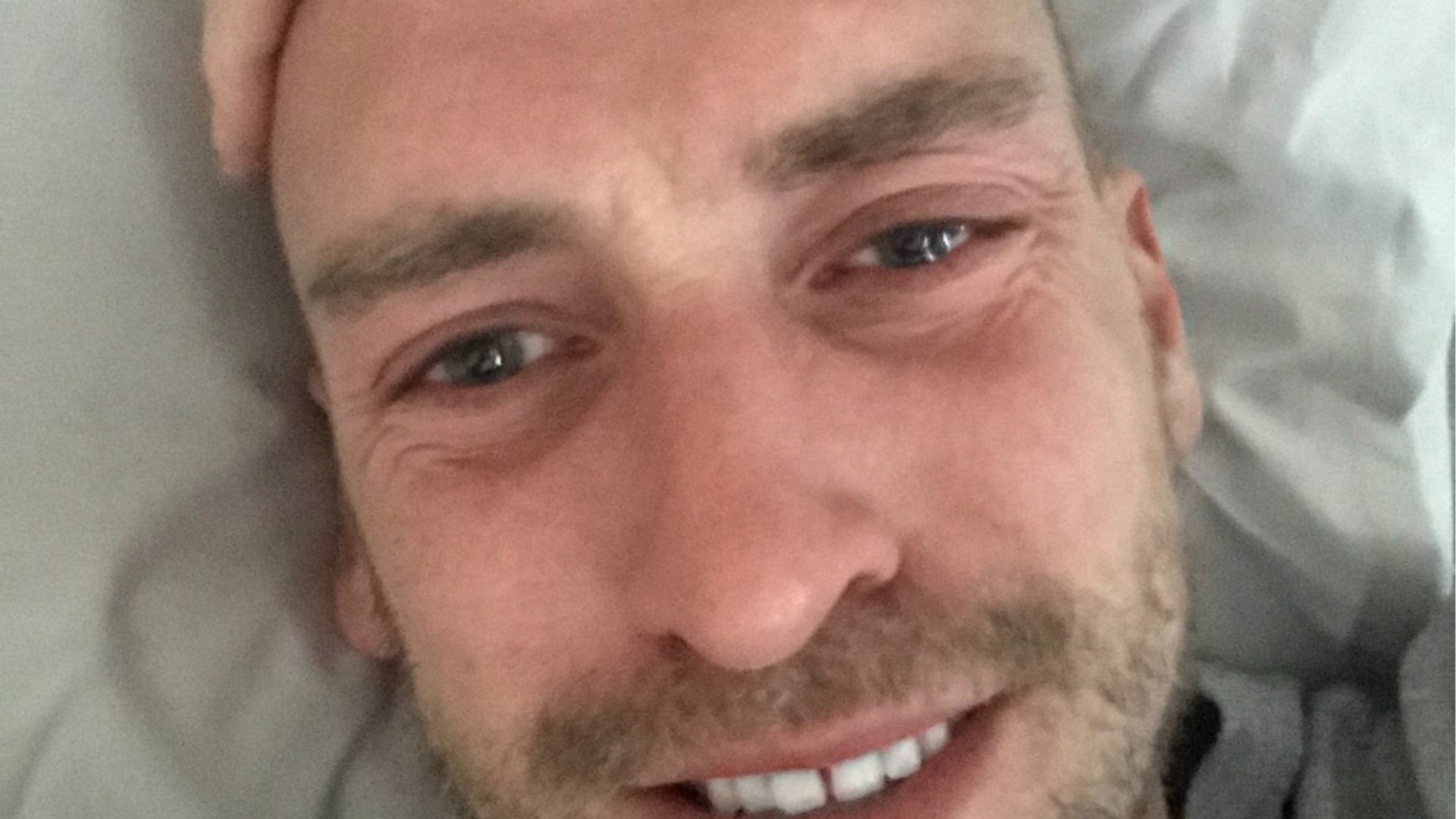
For three years, I lived in the shadow of not wanting to be here—not because I didn't want to be alive, but because I couldn't handle the immense intensity of what this trauma had brought into my life, compounded by the world being shutdown and connection feeling impossibly distant. When you've stood at that precipice, when you've felt the weight of wanting to leave this world, you see things differently. You understand what actually matters. And you understand what needs to change.
When Society Feels Foreign
One of the most disorienting aspects of surviving profound loss is how different your perspective becomes from those around you. Things that society naturally celebrates—career achievements, material success, everyday happiness—can suddenly feel distant when you've witnessed how fragile life truly is.
You develop a different language around what matters, creating distance from others. Small talk becomes difficult. Surface-level connections feel insufficient when you're craving deeper meaning and authenticity.
Small talk becomes difficult. Surface-level connections feel insufficient when you're craving deeper meaning and authenticity. It's not that others are wrong to care about these things—it's that you're operating from a completely different understanding of what feels urgent and important.
The disconnect is real and overwhelming. It's like living in two worlds simultaneously—the one everyone else inhabits, where daily concerns are valid and important, and the one you now know, where everything feels temporary and precious. Bridging that gap takes time, patience, and compassion for both yourself and others.
The Rebuilding Investment
After the loss, after the world began its tentative return to a 'new normal' post-COVID, after finding myself thrust back into full-time work, I made a decision that would define the next 18 months: I said 'no' to everything except rebuilding.
I spent almost 12 months primarily indoors—apart from gym sessions, runs, cold water immersion, and paddleboarding. I withdrew from everything else, trying to learn who I was in this new reality. I isolated myself. I locked myself in, with zero excuses, and one specific goal: I had to relearn how to live in this world again, on my terms, knowing the responsibility for that belonged solely with me.
During this intensive rebuilding period, I invested over $85,000 in my mental, emotional, and physical health—courses, certifications, programs. This wasn't money I could easily afford; it came from savings, borrowed hope, and debt. I share this figure not to boast, but to illustrate the financial reality of healing when traditional systems prove inadequate. Every dollar spent was a bet that there had to be a better way than what I'd been offered.
Then I took the ultimate leap: I quit my job and traveled on what others would call a holiday but what was, for me, essential soul searching—learning to return to my body and befriend myself again, seeking new community and connections with people who could meet me where I was. This wasn't a luxury; it was survival.
When traditional systems failed me, I had to become my own case study, my own research project. That investment taught me more about what works—and what doesn't—than any textbook could. It provided credibility that comes not from theory, but from risking everything to find real solutions.


When Helpers Harm
Even in spaces designed for healing, I encountered failures. I worked with a 'healer' who, when I left their community, threatened me with legal action. Their damaged ego mattered more than my healing. Even in the wellness world, I found people who prioritised their image and reputation over genuine support for someone in crisis.
What struck me was the disconnect between the language of transformation and human behaviour—even among those who speak about consciousness and healing. This extends beyond individual interactions to broader wellness culture, where trends sometimes overshadow genuine depth of practice.
I find myself hoping that those called to serve others might pause to examine their motivations and readiness. Supporting people through profound challenges requires deep personal work, strong ethical foundations, and genuine understanding of the responsibility involved.
This reveals a troubling paradox in our current landscape: on one side, we have extensively trained professionals working within traditional frameworks that may no longer serve our evolving understanding of wellbeing; on the other, we have individuals who can quickly establish practices with minimal training yet claim to guide others through profound psychological territory. Neither extreme serves us well.
What we desperately need are new frameworks that honour both rigorous preparation and innovative approaches—structures that bridge ancient wisdom with modern understanding, requiring genuine competency while remaining accessible.
When Psychophysiological Methods Stepped In
Multiple approaches supported my journey. It began with traditional therapy and would eventually come full circle. But in the initial phases, I quickly realised traditional therapy was overwhelming—we tried talking, creating safe spaces for grounding, and EMDR, but I wasn't ready. I was too raw; the trauma too intense. Everything that might have made sense to others—cognitive behavioural therapy, attachment theories, belief systems—were beyond my capacity to comprehend.
This is where I changed direction, leading to the investments I discussed earlier. Energy healing, reiki, Kundalani, thermal therapy, somatic processing, a nine-month trauma deep dive addressing the roots of my challenges, and breathwork entered my awareness for the first time.
Breathwork became the most transformative approach and the one constant throughout my journey. It reached the depths of my trauma, without requiring words, that I didn't have. When everything felt like either intellectual knowledge or surface-level solutions, breathwork allowed me to access and move through the energy trapped in my body since that December morning.
It wasn't gentle or easy. Breathwork sessions would surface everything I'd been carrying: the terror, the rage, the grief that felt too immense for my body to contain. But unlike other approaches, this one didn't try to bypass the darkness or offer spiritual bypassing. It met me where I was and provided a way to move through it rather than around it.
I committed completely to breathwork—deep sessions, breathing retraining, daily practice for years. I would completely rebuild my life from the inside out, recalibrating my nervous system and creating new capacity for safety, tolerance, and balance.
Breathwork felt like it saved my life, providing a tool to work with my nervous system and physiology when I felt completely disconnected from my body. But I know breathwork was just one tool in my toolkit. What truly sustained me was the refusal to quit—the determination to keep moving through the darkest days. While breathwork served its crucial purpose, this story is fundamentally about reclaiming your power, and that deeper transformation? That came from within.
Due to its profound impact, I spent years and thousands more dollars educating myself across all breathwork styles, eventually completing a six-month practitioner course that shifted me beyond where I ever imagined possible. The person who facilitated this course also restored my faith in professional services. It might sound small to anyone reading this, but the gratitude I hold for him, and our paths crossing, holds immense power within my story.
After years of somatic work stabilised my nervous system, I returned to traditional therapy. This time I was ready. I wasn't that raw, shattered person anymore. The somatic work had prepared me to engage with cognitive and emotional processing—all the things that had felt impossible in those early days.
The key insight: leaders integrating psychophysiological methods with awareness of social conditioning and our fundamental need for connection are reimagining the blueprint for healing.
This integrated approach, in my opinion, can support all of us in addressing our current epidemics of elevated stress, anxiety, mental health challenges, and suicide—issues that, in some way, touch all our lives.
Another Breaking Point
In May 2024, seeking a complete fresh start, I left Melbourne and moved to Southeast Asia. For a few months, it felt like maybe I was finally moving forward. Then I had a motorbike accident that nearly ended my life. The irony wasn't lost on me—I was planning to become a breathwork coach, yet here I was with tubes in my lungs helping me breathe.
Strangely, it was that accident that forced me to stop completely. I thought I'd already faced everything, but realised I'd become skilled at managing what I was experiencing through various practices and modalities—still preferable to masking with what I'd originally been prescribed. The accident stripped away all my coping mechanisms and forced me to face myself again.
What followed was six months of intense purging—mental, emotional, and physical. Exercise was temporarily removed from my life. I was back indoors again, but this time, further along in my journey, I was reunited with my family in the UK.
The loneliness during this period was crushing again—despite having loving family and partner, this type of trauma creates unique isolation that exists on an experiential level. But this time I was ready to work through it, to bridge myself back into my family. It was as if the accident was meant to happen, taking me back to where love is unconditional, and this time I was ready to fight for my connection to it.


Fighting for Every Inch
Throughout my journey, I made a personal choice about the labels offered to me: C-PTSD, PTSD, anxiety, depression. These conditions are absolutely real and the labels helpful for many people. For me, I found that focusing on understanding what was happening beneath the surface—the roots rather than just the symptoms—gave me the freedom to rebuild in my own way.
I needed to go deeper than diagnostic frameworks allowed. I sat with my nervous system, faced every conditioned belief and fear I was carrying, and rebuilt from the cellular level up. This approach felt right for my healing, though I recognise it's not the path for everyone.
There were times I didn't think I would survive the weight of it all. Times when everything—trauma, loss, system failures, physical injury—felt like too much for one person to bear.
It took 2,041 days before I could actually live again, not just survive. Before I could feel peace instead of chaos, presence instead of the urge to escape.
Whatever path feels right for your healing—whether that includes traditional frameworks, alternative approaches, or something uniquely your own—trust it. Fight for every inch of your rebuilding. Life is built from those inches, and every step forward matters.
Staying Small for Others' Comfort
Along the way, people have told me I share too much, feel too deeply, that my openness is uncomfortable. That I have high functioning anxiety. Some suggested I should 'just move on.' . The most painful criticism was being accused of profiting from my partner's story—especially while struggling financially and investing everything I had into healing.
Rather than silence me, these voices helped me understand something important: the world needs people willing to speak uncomfortable truths about healing, loss, and rebuilding.
Every dollar I had went into learning, growing, and eventually creating platforms that could serve others: "Plaece" and "Out of Plaece," with three more initiatives planned. Our mission is simple—reconnect people to authentic wellbeing by bridging them to incredible practitioners already doing transformative work.
The accusation of profiting while barely surviving financially revealed how misunderstood the reality of trauma recovery is—the years of reduced capacity, the enormous investment in healing when traditional systems aren't enough.
I spent too long making myself smaller to keep others comfortable. But that serves no one who actually needs support and change.
We all deserve to live fully and authentically—not just despite our challenges, but because of how they've shaped our understanding of what really matters.


Through Hell and Back
The past five years felt like everything that could go wrong, did: suicide loss, system failures, isolation, financial instability, harmful encounters, a near-death accident, and endless smaller disappointments. Some days I wondered if I had anything left to give.
But gradually, almost imperceptibly, something shifted. Rage slowly transformed into love. Breakdown became breakthrough. I stopped apologizing for taking up space or asking for what I needed. The world doesn't need me to stay small while broken systems continue harming people.
It's time to stop asking "How do we fix the person?" and start asking "How do we fix the world that's breaking them?" These problems are human-created, which means they can be human-solved. This is our planet. These are our systems. These are our choices.
The Truth About This Grief
The hardest part has been realising that unless someone has walked through the deepest hell, they cannot understand this type of grief. The isolation that comes with this realisation is profound.
If you're reading this and walking a similar path, I need you to know: you will make it. Keep going.
The loneliness is real. The disconnect from a world that celebrates trivial things is real. The way society fails trauma survivors is real. But so is your strength, even when you can't feel it.
For Those Who Love Someone in This Grief
Don’t try to fix them or rush their timeline
Don’t make their grief about your discomfort
Understand that they’re operating from a completely different reality now
Show up consistently, even when it’s challenging
Don’t take their need for space personally
Believe them when they tell you what they need
Ask them questions about the person they lost
Be mindful of language—check in about what terminology feels supportive to them
Your presence alone, without needing to fill the silence, can be deeply meaningful
For those seeking immediate support or resources, see the contact information at the end of this article.
Moving Forward
I share this story not for sympathy, but for solidarity. For the person sitting in their car at 2 AM wondering if they can make it through another day. For the person who feels like they're speaking a language no one else understands. For the person tired of making themselves small to accommodate others, struggling to get out of bed, or asking 'is this all there is to life?' For anyone hanging on by a thread.
A study in Australia found that 89% of us know someone who has attempted suicide, and 85% know someone who has died by suicide. This isn't happening to other people—this is happening to us.
The 720,000+ we lose globally each year deserve better—that's one life lost every forty seconds. The 95+ million people impacted annually deserve better—that's 135 lives affected by every loss. The twenty people who attempt for every death deserve better. The millions suffering in silence deserve better. The person I lost deserved better. And so do you.
(The above data is taken from the WHO, though it's not fully reliable as only 80 WHO Member States provide adequate data on suicide statistics)
I am the bereaved. I am someone who wanted a way out. I am someone who challenged everything to rebuild. I am me. And you are you.
It's time to build something worthy of the humans trying to live in it.
If you read all the way here, thank you from the bottom of my heart.
There's one final thought I'd love you to take away: let's not wait until we, or someone else, reaches rock bottom before we create change. Take a moment to reach out to a friend or family member. A simple call or message letting them know you're thinking of them can mean more than you realise.
Let's reconnect the world to wellbeing.
Acknowledgments
I want to acknowledge those who made survival possible: the Australian family that sheltered me, and gave me life and love when I had none left; my family and friends who loved me through what they couldn't understand; the professionals I sought who gave me new tools and perspectives; and Ann, who stood beside me as I fought my way out.
If you or someone is struggling with suicide loss or suicidal thoughts:
Crisis Support
Australia: Lifeline 13 11 14
United States: Suicide & Crisis Lifeline 988
United Kingdom: Samaritans 116 123
Additional Resources
Breathwork Organisations (both the below organisations provide accredited practitioners using science backed and safe practices):
Out of Plaece - podcast focused on wellbeing and vulnerability - aiming in removing the stigmas associated with what it truly means to be human.
What Can You Do?
While I speak of my story—there are many of us walking around with unspoken stories. Share your story and your why in the comments, it could be the spark that ignites another person’s journey.
If this post resonated with you, please share it. Someone in your network might need to read this today.
This is so brave, honest and raw. Thank you. I love the way you carry us through your journey so honestly. You don’t just talk about the struggles—you let us feel them alongside you. That line, “I thought of leaving, breaking each chain, of walking away from all joy and pain,” stopped me in my tracks—it captures that raw push-pull so well. And then you hold on to life with, “Still I clung to the fragments I could perceive,” which gave me a real sense of resilience running through your words. What really stayed with me too was when you said, “This will not define me, it will make me. I will use it to change the world.” That’s such a fierce and tender truth.
I so understand that moving between numbing and growth—not a tidy hero’s journey, but the messy, exhausting work recovery actually is. I loved the way you spoke about breathwork reaching places words couldn’t. It’s something I haven’t tried, but you’ve inspired me to have a go.
Thank you again for your honesty and courage. I write therapeutic metaphor stories (the Little Girl and the Gardener) around some of these same themes, and reading your piece reminded me why I write them.
beautiful and heart filled….thank you for sharing your courage